
Pre-orders are open · Shipping on a rolling basis Pre-order now

Finger strength · Dexterity · Control

Every press, note and grip starts here.

G Hands is a controller-shaped finger trainer with adjustable resistance. Build strength, dexterity and endurance in 5–15 minutes a day, whether you game, play an instrument, or are working back to everyday grip with your therapist.

Made for

*With your clinician's go-ahead. Using G Hands for physical therapy or rehab? Talk to your doctor or hand therapist first. Read the safety guide

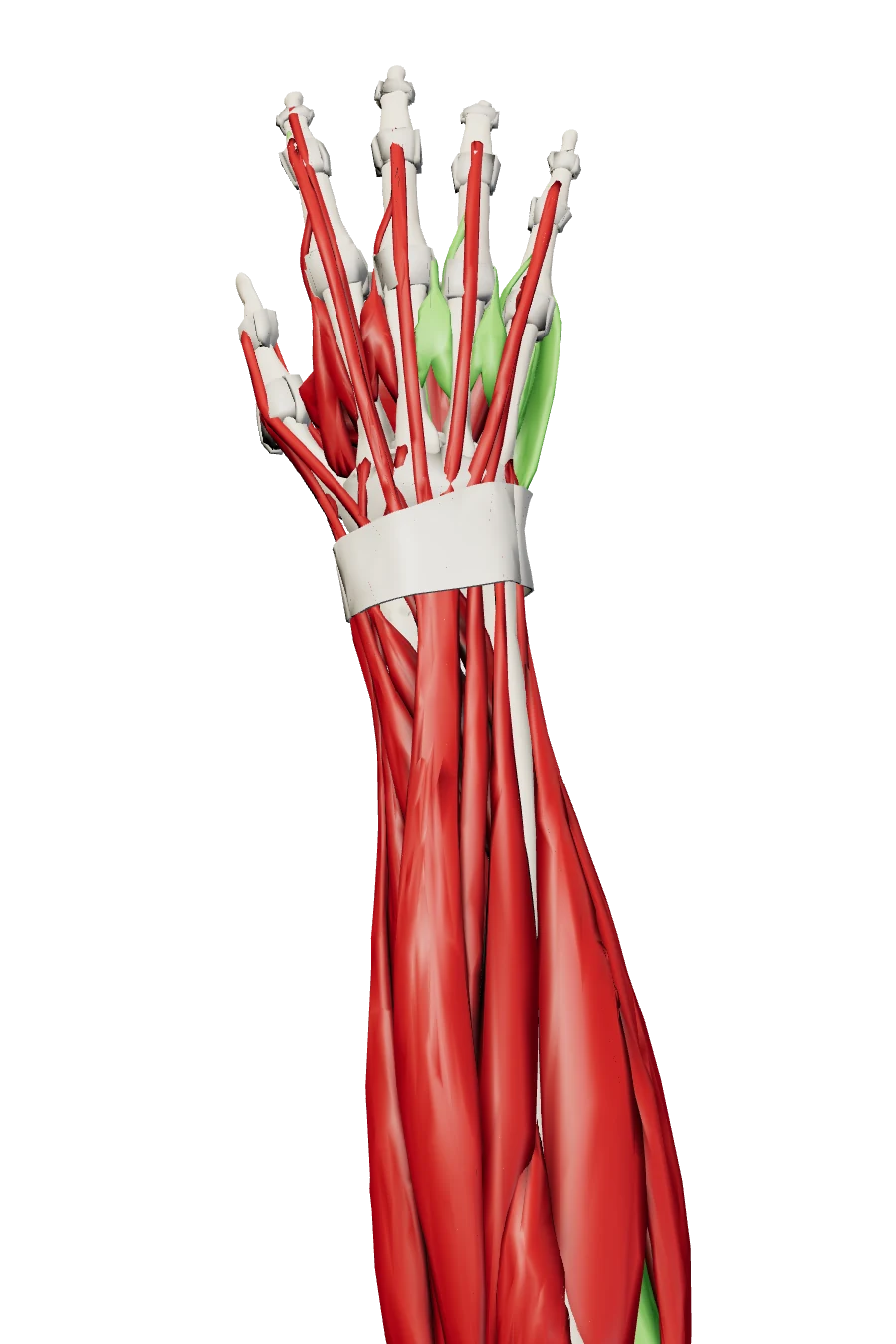
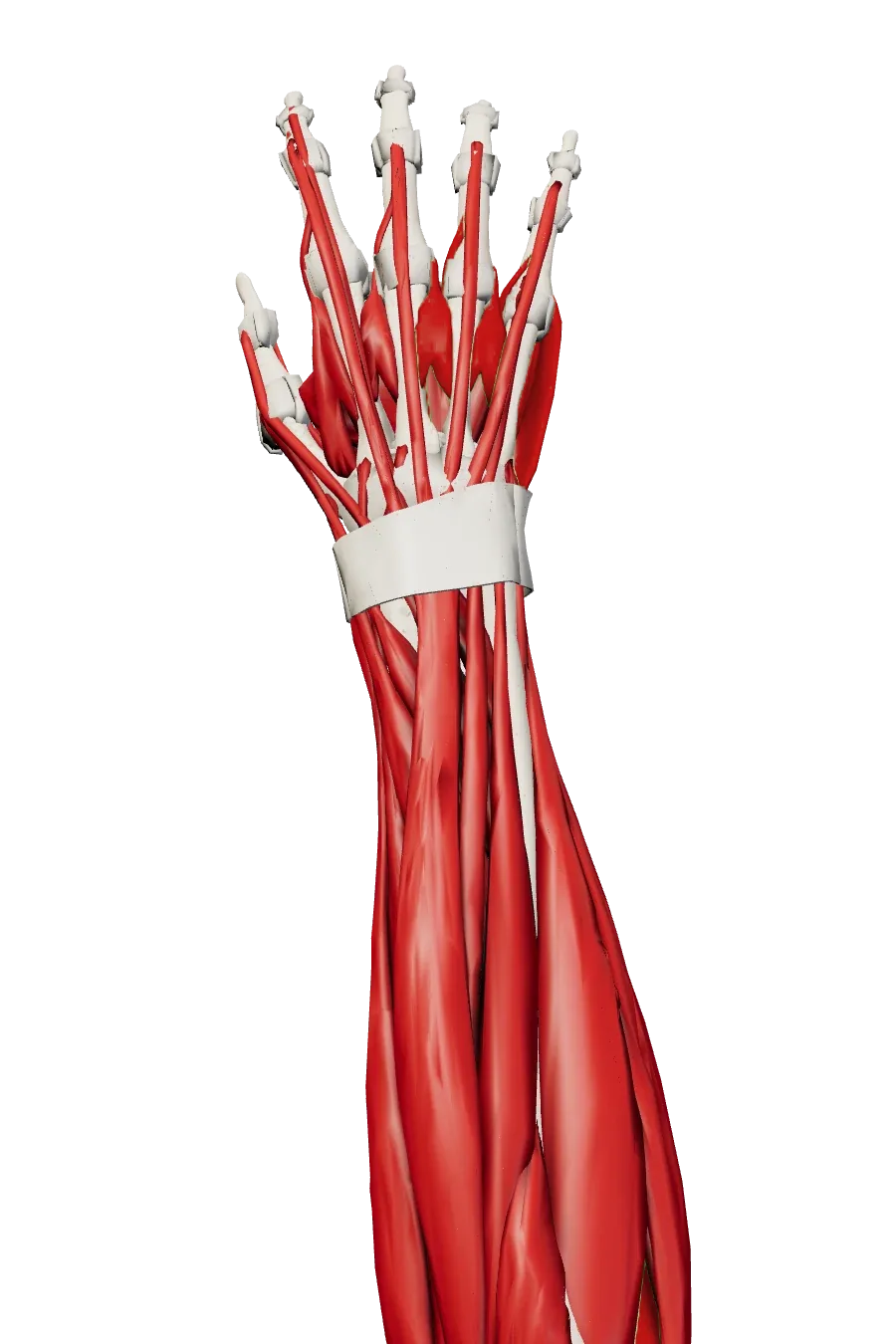
Fig. 1 — Right hand & forearm Muscles worked · palm side
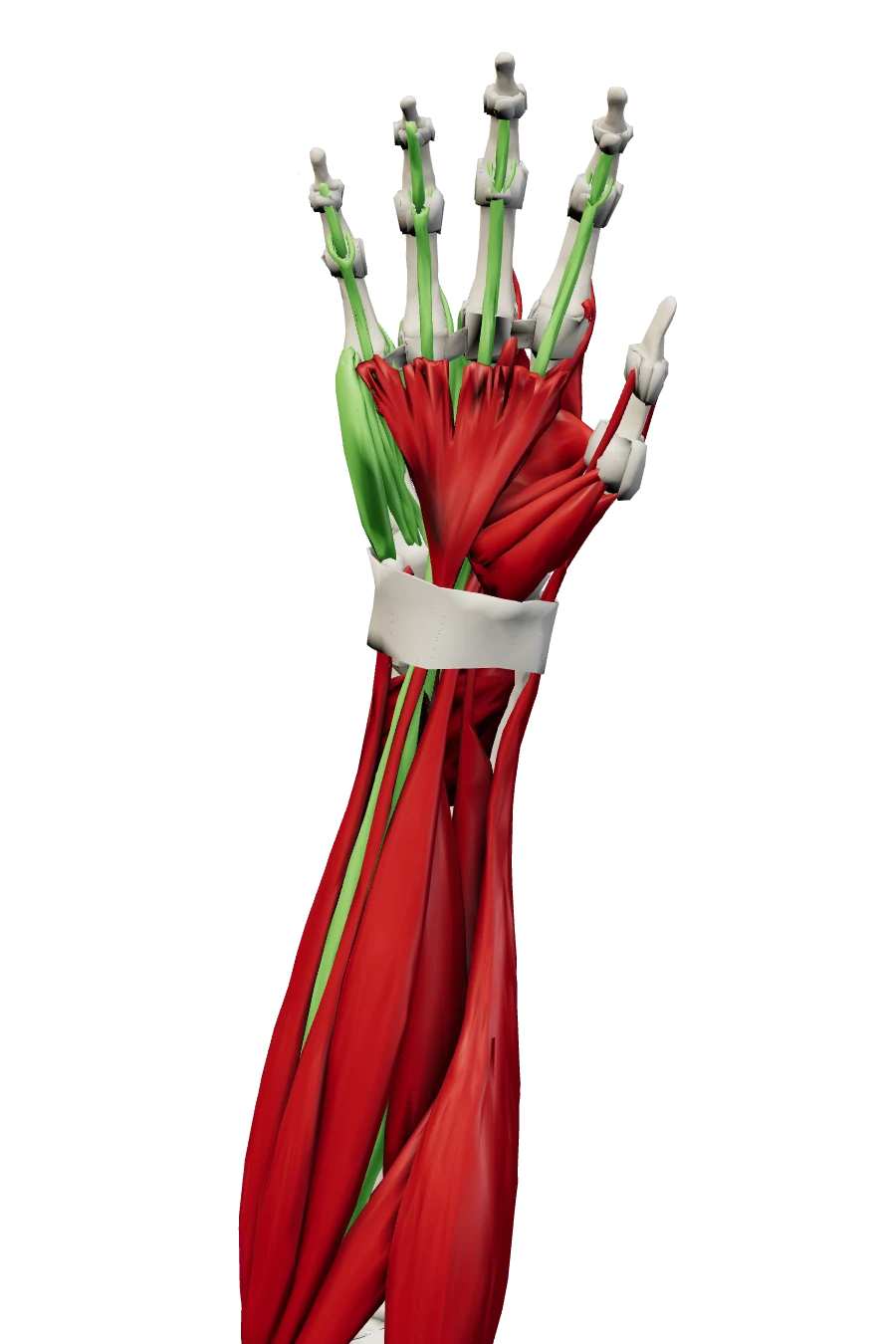
Palm-side view of the right hand and forearm. The finger flexors, lumbricals and little-finger muscles that G Hands trains are highlighted in green.
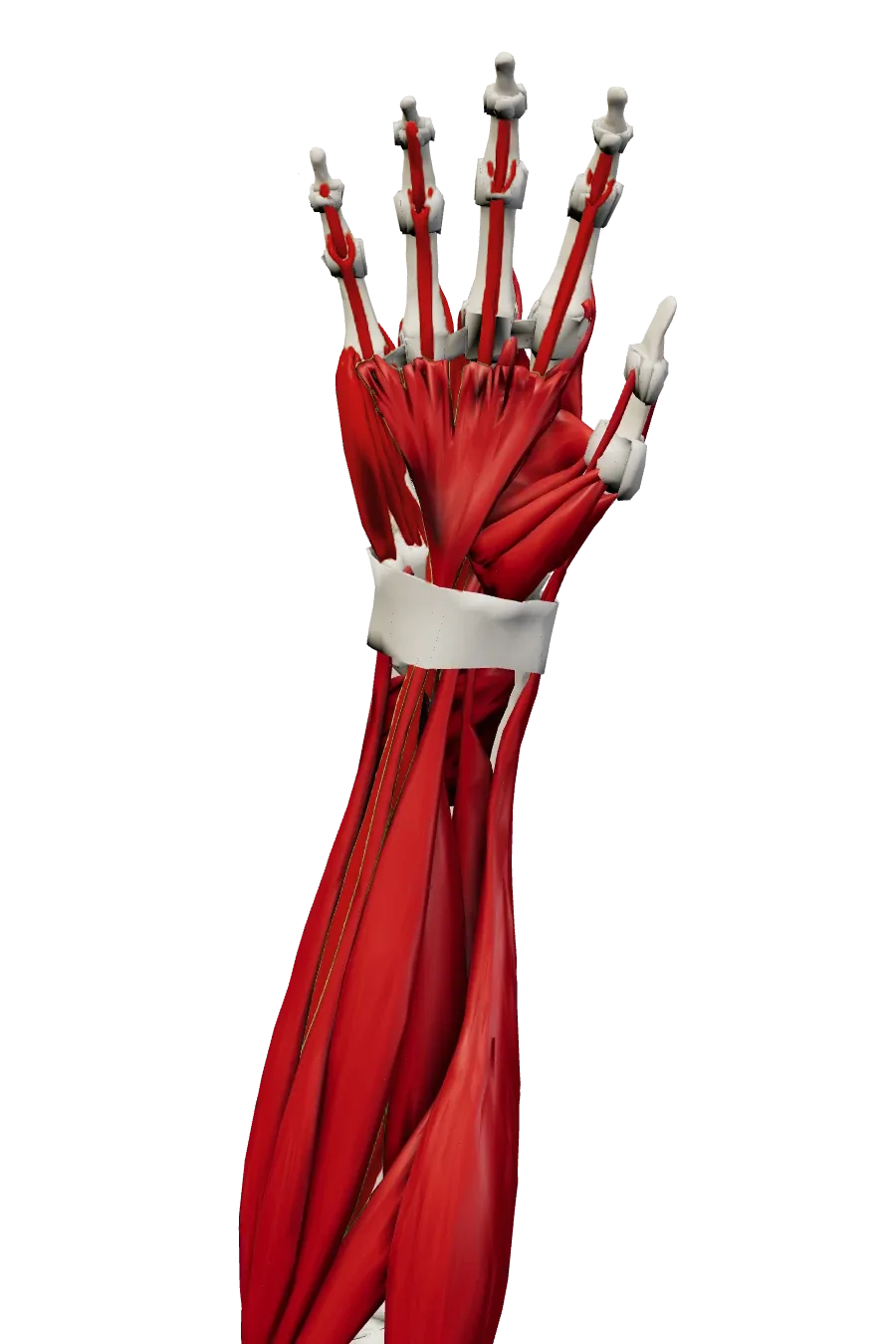
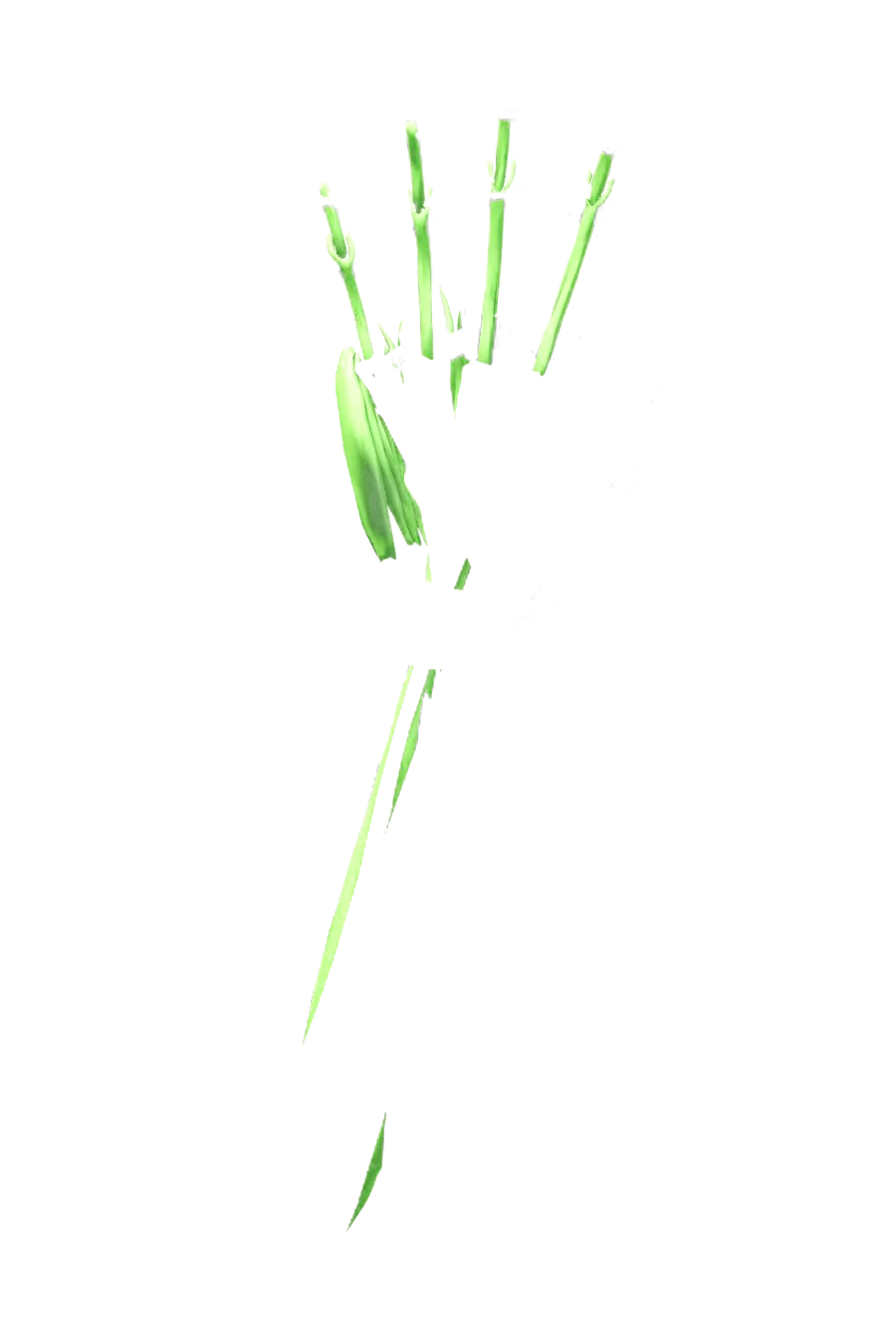
Back-of-hand view of the right hand and forearm. The interosseous muscles between the finger bones are highlighted in green.
Drag to rotate
Worked by G Hands, lights up on each squeeze Other muscles See the muscle map
Animated for illustration. 3D model adapted from Z-Anatomy and BodyParts3D (DBCLS), CC BY-SA 4.0.

How it works

  1. 01

    Set the resistance

    Start light. Add resistance as your strength and control improve.

  2. 02

    Train 5–15 minutes

    As a warm-up before you play or practice, or as a short daily routine.

  3. 03

    Keep it consistent

    Short, regular sessions beat long, occasional ones.

Who it's for

Shaped like a controller. Made for every hand.

01 / Gamers

Warm up before you queue.

Get your fingers ready before the first match and keep inputs steady deep into long sessions. G Hands holds your hands in the same position as a controller, so the strength you build carries straight into play.

  • Stick and trigger control
  • Ring- and little-finger stability
  • Pre-session warm-ups
Gamer routine
02 / Musicians

Independence for every finger.

Guitar, piano, strings, drums: every instrument asks your weakest fingers to keep up. Short daily sets build strength and independence in the ring and little fingers without eating into practice time.

  • Finger independence
  • Endurance for long rehearsals
  • A warm-up before you play
Musician routine
03 / Physical therapy

Part of your therapist's plan.

Working back from an injury or surgery? Adjustable resistance means G Hands can fit into a hand-therapy program, but only one your doctor or therapist has set for you.

Talk to a medical professional before using G Hands for physical therapy or rehabilitation, and follow their guidance on resistance, reps and rest.
How to use it safely

Muscle map

What finger training actually works.

Past the knuckles, your fingers have no muscle of their own. They're moved by tendons from muscles in your forearm and palm. These are the groups G Hands loads most.

Palm-side view of the right hand and forearm. The finger flexors, lumbricals and the little-finger muscles are highlighted in green.
Fig. 2 — Palmar view (palm side)
Back-of-hand view of the right hand and forearm. The interosseous muscles between the ring- and little-finger bones are highlighted in green.
Fig. 3 — Dorsal view (back of hand)
  1. Finger flexors

    flexor digitorum superficialis & profundus

    Forearm muscles whose long tendons curl every finger. They carry most of a sustained grip or a held trigger.

  2. Lumbricals

    musculi lumbricales

    Small palm muscles that bend the knuckle while keeping the finger straight: the motion behind a clean key or button press.

  3. Interossei

    musculi interossei dorsales et palmares

    Spread and close the fingers and steady them side to side, so one finger can move while the others hold still.

  4. Little-finger group

    hypothenar: abductor, flexor & opponens digiti minimi

    Move and stabilize the little finger, the outside edge of your grip. In one study, restricting the ring and little fingers together cut grip strength by 55% on average. See the research

Worked by finger training Other muscles Bone and ligament

Illustrative. Which muscles work, and how hard, depends on the exercise, your grip and your body. 3D model: right hand and forearm, adapted from Z-Anatomy and BodyParts3D (DBCLS), CC BY-SA 4.0.

The research

The science of stronger hands.

G Hands builds on published research into finger strength, dexterity and grip. Here's what five peer-reviewed studies found, and what they don't show.

Close-up of the palm side of the hand with the little-finger muscles highlighted in green Ring + little finger

The ring + little finger finding

55%

Average loss of grip strength

When researchers restricted both the ring and little fingers, people lost an average of 55% of their measured grip strength (50 people, 100 hands).

The takeaway: these two fingers carry an outsized share of a strong, functional grip. The 55% is the loss measured when they're restricted, not a promise of what training adds.

Methot, Chinchalkar & Richards · 2010 · Canadian Journal of Plastic Surgery · Read the study

Five peer-reviewed studies

Scientific background only · none of these studies tested G Hands

1Training study · 12 adults

Finger strength training and hand dexterity

Olafsdottir, Zatsiorsky & Latash · 2008 · Journal of Applied Physiology

What they found

In 12 healthy older adults, six weeks of finger-strength training increased maximal finger force and improved Grooved Pegboard performance.

Why it matters for G Hands

Direct evidence that finger resistance exercise can improve strength and a measured aspect of dexterity.

2Restriction study · 100 hands

Ring and little fingers: critical to grip

Methot, Chinchalkar & Richards · 2010 · Canadian Journal of Plastic Surgery

What they found

Restricting the little finger cut grip strength by about 33%. Restricting both the ring and little fingers cut it by 34–67%, an average of 55%.

Why it matters for G Hands

A strong biomechanical reason to train the ring and little fingers. This study measured restriction, not training.

3Training study · 24 musicians

Resistance training in string musicians

Lundborg & Grooten · 2018 · Medical Problems of Performing Artists

What they found

In 24 professional musicians, an 11-week program increased neck and upper-extremity isometric strength by 11–19% and back-extensor endurance by 25%.

Why it matters for G Hands

Supports resistance exercise for hard-working upper limbs. Finger-specific benefits weren’t measured directly.

4Observational

Finger dexterity and independent control

Kimoto, Oku & Furuya · 2019 · Scientific Reports

What they found

Trained pianists moved their fingers faster and more independently than non-musicians. Among pianists, speed was partly related to muscular strength.

Why it matters for G Hands

Links finger strength to aspects of dexterity. It compared groups and didn’t test a training device.

5Training study · wrist

Wrist training and multi-digit coordination

Park, Han & Shim · 2015 · Perceptual and Motor Skills

What they found

After resistance training of the wrist muscles, participants held objects with steadier grasping forces and rotational moments.

Why it matters for G Hands

Suggests some hand-coordination measures respond to resistance exercise. The program trained the wrist muscles, not G Hands.

What we can say responsibly

Targeting the ring and little fingers is biomechanically well motivated, and finger-resistance training has improved finger force and selected hand-function measures in published research. No study above tested G Hands, and none shows that training these two fingers alone improves overall hand function.

Free routine

Five moves. About ten minutes.

A sample session to show how G Hands fits your day. Start at the lightest resistance and move up only when every rep feels controlled.

Pre-session warm-up · about 8 min

01

Tendon glides

2 rounds · 5 eachFlexors

No device. Move slowly from a straight hand to a hook fist, full fist and tabletop. Gets the tendons gliding before you add load.

02

Full-grip holds

3 sets · 5 × 5 secFlexors

Close every finger against the resistance, hold for five seconds, then let go slowly. Keep your wrist straight.

03

Ring & pinky presses

3 sets · 8 eachLittle-finger group

Press with the ring and little fingers only while the others stay relaxed. Slow on the way down, controlled on the way up.

04

Rapid taps

3 × 20 secLumbricals

Quick, light presses one finger at a time, like a button combo. Go only as fast as each press stays clean.

05

Spread & shake out

60 secInterossei

No device. Spread your fingers wide, squeeze them together, repeat, then shake your hands loose before you play.

Stop if you feel pain, numbness or tingling. This routine is general guidance for healthy hands, not medical advice.

V16 · drag to rotate See it in all 12 colours

The device

Shaped like the controller in your hands.

Most grip trainers build squeeze strength with the whole hand. G Hands works individual fingers in a natural playing position, so you train dexterity and control, not just crush strength.

Shape
Controller-style grip that keeps your hands where they play
Resistance
Adjustable, from light warm-ups to endurance work
Trains
Finger strength, dexterity and coordination, with extra focus on the ring- and little-finger stabilizers
Sessions
5–15 minutes, as a warm-up or a daily routine
Size · Price
146 × 95 × 55 mm · $35.99, or $39.99 for the Charity Edition
Shipping
Pre-orders ship on a rolling basis, and we email you when yours ships
Pre-order

Refined through real play

Developed through testing and player feedback, from CAD to 3D-printed shells to the grip in your hands. It's tuned to the stabilizing muscles of the ring and little fingers that standard trainers miss.

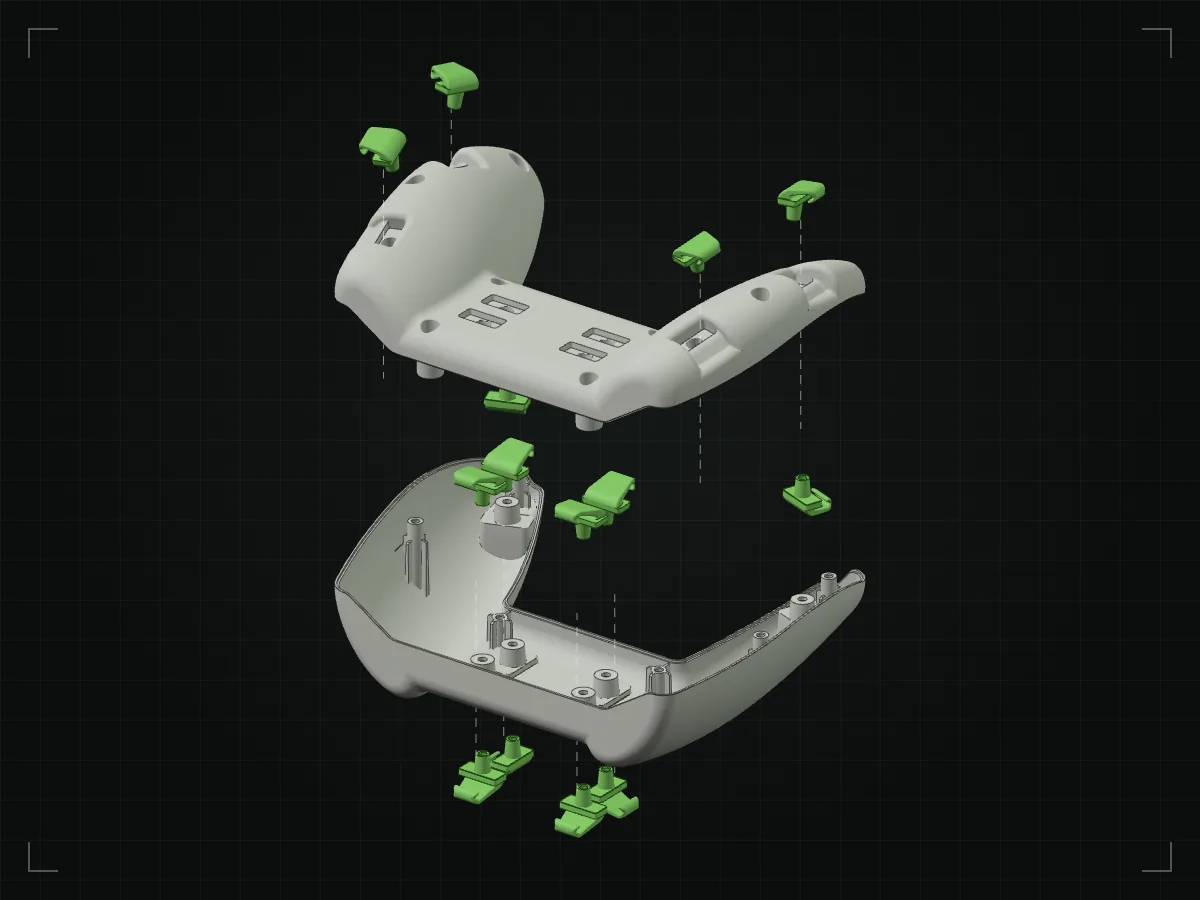
Exploded CAD view of the G Hands controller: the top and bottom shell halves pulled apart, with the six band hooks and eight centre-bar clips shown in green on dashed lines to where they mount.
Rev. 1 — mapping button positions in CAD
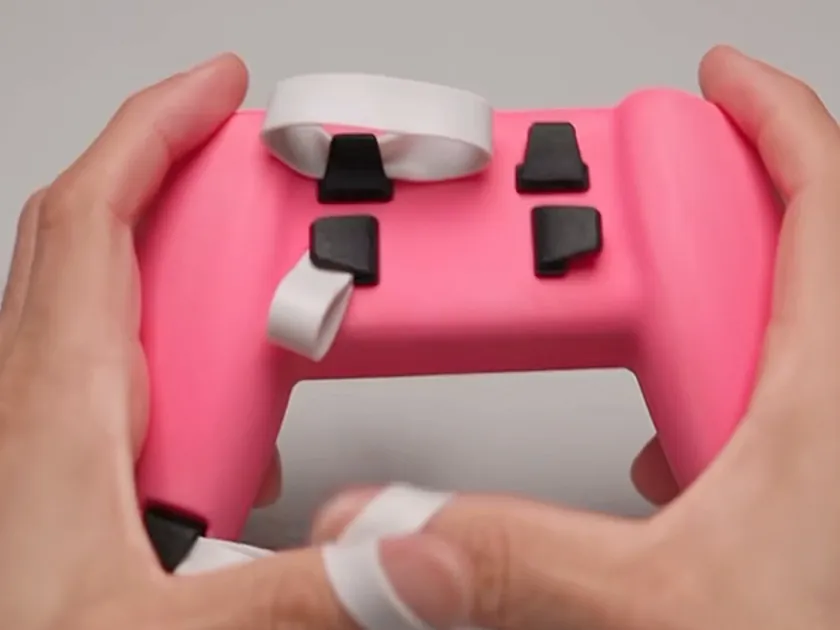
A 3D-printed G Hands prototype in pink, held in both hands, with black band hooks and white finger bands looped through them.
Rev. 2 — printed shells in the hand
Play-testing with controller players

Safety

Use G Hands safely.

G Hands is built for healthy hands getting stronger. If yours are healing, your clinician comes first.

Using G Hands for physical therapy or rehab?

Talk to your doctor, physical therapist or certified hand therapist before you start, and follow their plan for resistance, reps and rest. Don't use G Hands to self-treat an injury or condition.

Before you start

  • Check with a clinician first if you've had a hand, wrist or arm injury or surgery, or live with arthritis, carpal tunnel syndrome, tendinitis, trigger finger or nerve symptoms.
  • Start at the lightest resistance and increase it gradually.
  • Warm up first, keep your wrist neutral, and move with control.
  • Never train through pain.

Stop and get checked if you notice

  • Pain that lingers after a session
  • Numbness, tingling or pins and needles
  • Swelling, clicking or a finger that catches or locks
  • Weakness that gets worse instead of better

Medical disclaimer. G Hands is a fitness and training product. It is not a medical device and is not intended to diagnose, treat, cure or prevent any disease or condition. The information on this site is general and is not a substitute for professional medical advice. Always seek the advice of your physician or another qualified health provider with questions about a medical condition, and never disregard professional advice because of something you read here.

FAQ

Questions, answered.

Something else? Email info@theghands.com.

What is G Hands?

A controller-shaped finger trainer with adjustable resistance. It builds finger strength, dexterity and control while your hands stay in a natural playing position.

Who is it for?

Console and controller players, esports competitors, musicians, and anyone who wants stronger, better-coordinated fingers. If you are recovering from an injury or managing a hand condition, check with your clinician first.

Can I use G Hands for physical therapy?

Only with your clinician’s go-ahead. Talk to your doctor, physical therapist or certified hand therapist before you start, and follow their plan for resistance, reps and rest. G Hands is not a medical device and does not replace professional care.

How is it different from a grip trainer?

Most grip trainers build squeeze strength with the whole hand. G Hands works individual fingers through controller-style movements, so you train dexterity and control, not just crush strength.

Is there research behind G Hands?

Behind the approach, yes. Published studies show that finger-resistance training improved finger force and some dexterity measures, and that the ring and little fingers carry a large share of grip strength. No published study has tested G Hands itself yet.

How long should a session last?

About 5 to 15 minutes. Short, consistent sessions beat long, occasional ones.

When should I use it?

As a warm-up before you play or practice, or as part of a short daily routine.

When can I get one?

Pre-orders are open now: reserve yours for $35.99, or $39.99 for a Charity Edition in a custom colour. Shipping and tax are added at checkout. Orders ship on a rolling basis, and you get a tracking number by email when yours ships.

What’s your refund policy?

All sales are final. Pre-orders are non-refundable, except where a refund is required by applicable consumer protection law (for example, if your order can’t ship on time) or your G Hands arrives damaged, defective or not as described. If that happens, email info@theghands.com and we’ll make it right.

Launching on Kickstarter

Be first in line.

Join the early-access list and we'll email you the day the campaign goes live.

Want to back the build now? Support the launch on ProductHype